Hysterectomy: Reasons, Types, Procedure & Recovery After Surgery
Hysterectomy: Reasons, Types, Procedure & Recovery After Surgery
Introduction
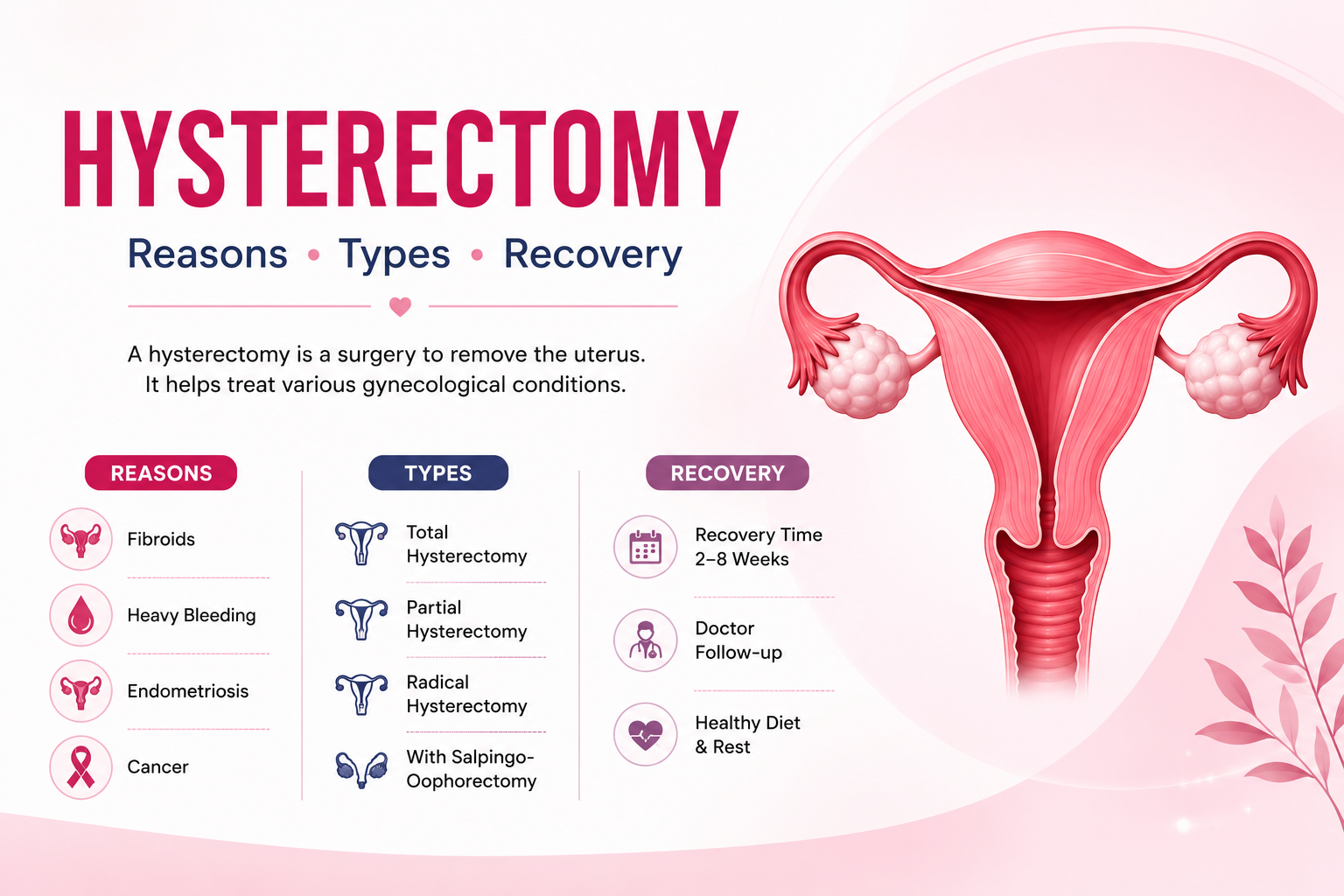
A hysterectomy is a surgical procedure to remove the uterus (womb). It is one of the most commonly performed gynecological surgeries and is recommended when other treatment options are no longer effective or when surgery is the safest and most appropriate solution.
After a hysterectomy, menstrual periods stop permanently, and pregnancy is no longer possible. Depending on the medical condition, the surgery may also involve the removal of the cervix, ovaries, and fallopian tubes.
This guide explains the reasons for a hysterectomy, the different types of procedures, the surgical approaches, recovery after surgery, and essential post-operative care.
What Is a Hysterectomy?
A hysterectomy is a surgical procedure performed to treat various gynecological conditions affecting the uterus. It may be recommended for both benign (non-cancerous) and cancerous conditions when conservative treatments have not provided relief.
The procedure is performed by an experienced gynecologist using one of several surgical techniques, depending on the patient’s condition and overall health.
Common Reasons for a Hysterectomy
1. Uterine Fibroids
Fibroids are non-cancerous growths that develop within the uterus. Large or multiple fibroids can lead to:
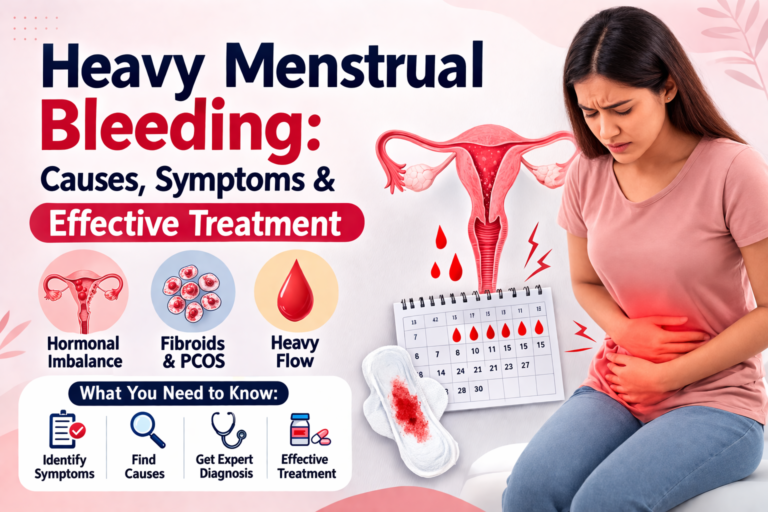
Heavy menstrual bleeding
Pelvic pain or pressure
Frequent urination
Difficulty emptying the bladder
2. Endometriosis
Endometriosis occurs when tissue similar to the uterine lining grows outside the uterus. Symptoms include:
Severe menstrual pain
Chronic pelvic pain
Pain during intercourse
Infertility
When medications and other treatments fail, a hysterectomy may be recommended.
3. Adenomyosis
Adenomyosis develops when the uterine lining grows into the muscular wall of the uterus, causing:
Heavy bleeding
Severe menstrual cramps
Enlarged uterus
Chronic pelvic discomfort
4. Uterine Prolapse
Pelvic muscles weaken over time, allowing the uterus to descend into the vaginal canal.
Symptoms include:
Pelvic heaviness
Vaginal bulging
Urinary problems
Lower back pain
5. Gynecological Cancer
A hysterectomy is an important treatment option for:
Cervical cancer
Uterine cancer
Endometrial cancer
Ovarian cancer (in selected cases)
6. Abnormal Uterine Bleeding
Persistent heavy or irregular bleeding that does not improve with medication or minimally invasive procedures may require surgical treatment.
7. Chronic Pelvic Pain
Long-term pelvic pain caused by uterine disorders may improve significantly after hysterectomy when other treatments have failed.
Types of Hysterectomy
Total Hysterectomy
A total hysterectomy involves removing:
Uterus
Cervix
It is the most commonly performed type of hysterectomy.
Partial (Subtotal) Hysterectomy
Only the upper portion of the uterus is removed while the cervix remains intact.
This option is suitable for selected non-cancerous conditions.
Radical Hysterectomy
Usually performed for cancer treatment, this surgery removes:
Uterus
Cervix
Upper part of the vagina
Surrounding supporting tissues
Hysterectomy with Bilateral Salpingo-Oophorectomy
This procedure removes:
Uterus
Both ovaries
Both fallopian tubes
It may be recommended for ovarian cancer or women at high genetic risk of developing ovarian cancer.
Surgical Approaches
Abdominal Hysterectomy
Performed through an abdominal incision
Suitable for large fibroids and certain cancers
Longer recovery time
Vaginal Hysterectomy
Uterus removed through the vagina
No external scar
Less pain
Faster recovery
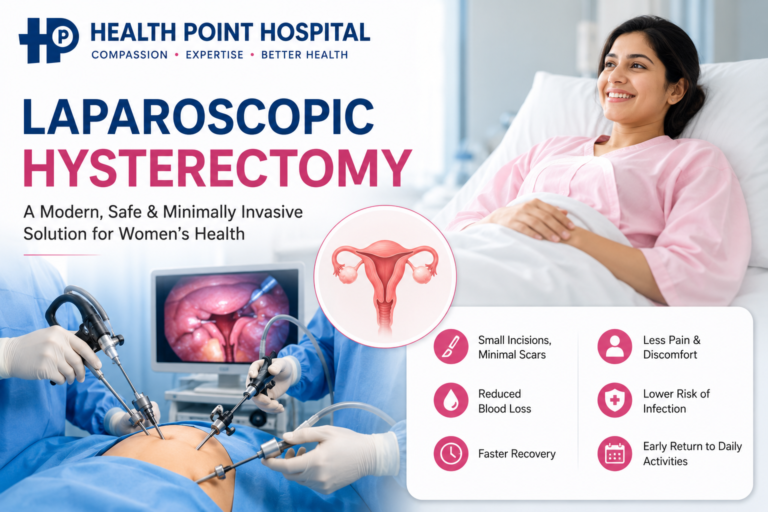
Laparoscopic Hysterectomy
A minimally invasive procedure using small incisions and a camera.
Benefits include:
Smaller scars
Less pain
Reduced blood loss
Shorter hospital stay
Faster recovery
Robotic-Assisted Hysterectomy
An advanced minimally invasive surgery performed using robotic technology that offers:
Greater surgical precision
Improved visualization
Minimal blood loss
Faster recovery
Preparing for Surgery
Before surgery, your doctor may recommend:
Medical examination
Blood investigations
Ultrasound or MRI (if required)
ECG and chest evaluation (if necessary)
Medication review
Fasting before surgery
Discussion about anesthesia and recovery
Patients should also arrange transportation home and assistance during the first few days after surgery.
Recovery After Hysterectomy
Recovery varies depending on the surgical method used.
Average Hospital Stay
Vaginal or Laparoscopic Surgery: 1–2 days
Abdominal Surgery: 3–5 days
Expected Recovery Time
Laparoscopic Hysterectomy: 2–4 weeks
Vaginal Hysterectomy: 3–4 weeks
Abdominal Hysterectomy: 6–8 weeks
Recovery Tips
Get Plenty of Rest
Allow your body enough time to heal during the first few weeks.
Walk Daily
Light walking helps improve circulation, prevents blood clots, and supports faster recovery.
Eat a Healthy Diet
Include:
Protein-rich foods
Fresh fruits
Vegetables
Whole grains
Plenty of water
A balanced diet promotes tissue healing and reduces constipation.
Avoid Heavy Lifting
Do not lift heavy objects or perform strenuous activities until your doctor approves.
Take Medicines as Prescribed
Complete all prescribed medications, including pain relief and antibiotics.
Attend Follow-Up Visits
Regular follow-up appointments allow your doctor to monitor healing and address any concerns.
Warning Signs: When to Contact Your Doctor
Seek immediate medical attention if you experience:
Heavy vaginal bleeding
Fever above 38°C (100.4°F)
Severe abdominal pain
Persistent vomiting
Difficulty urinating
Foul-smelling vaginal discharge
Redness or swelling around the incision
Chest pain or shortness of breath
Life After a Hysterectomy
Many women experience significant relief from symptoms such as heavy bleeding, pelvic pain, and pressure after recovery.
If the ovaries are removed during surgery, menopause may begin immediately. Your doctor may discuss hormone replacement therapy (HRT) or other treatment options if appropriate.
Maintaining a healthy lifestyle, regular exercise, a balanced diet, and routine gynecological check-ups can help support long-term health and well-being.