Premenstrual Dysmorphic Disorder (PMDD): Causes, Symptoms & Treatment
Introduction
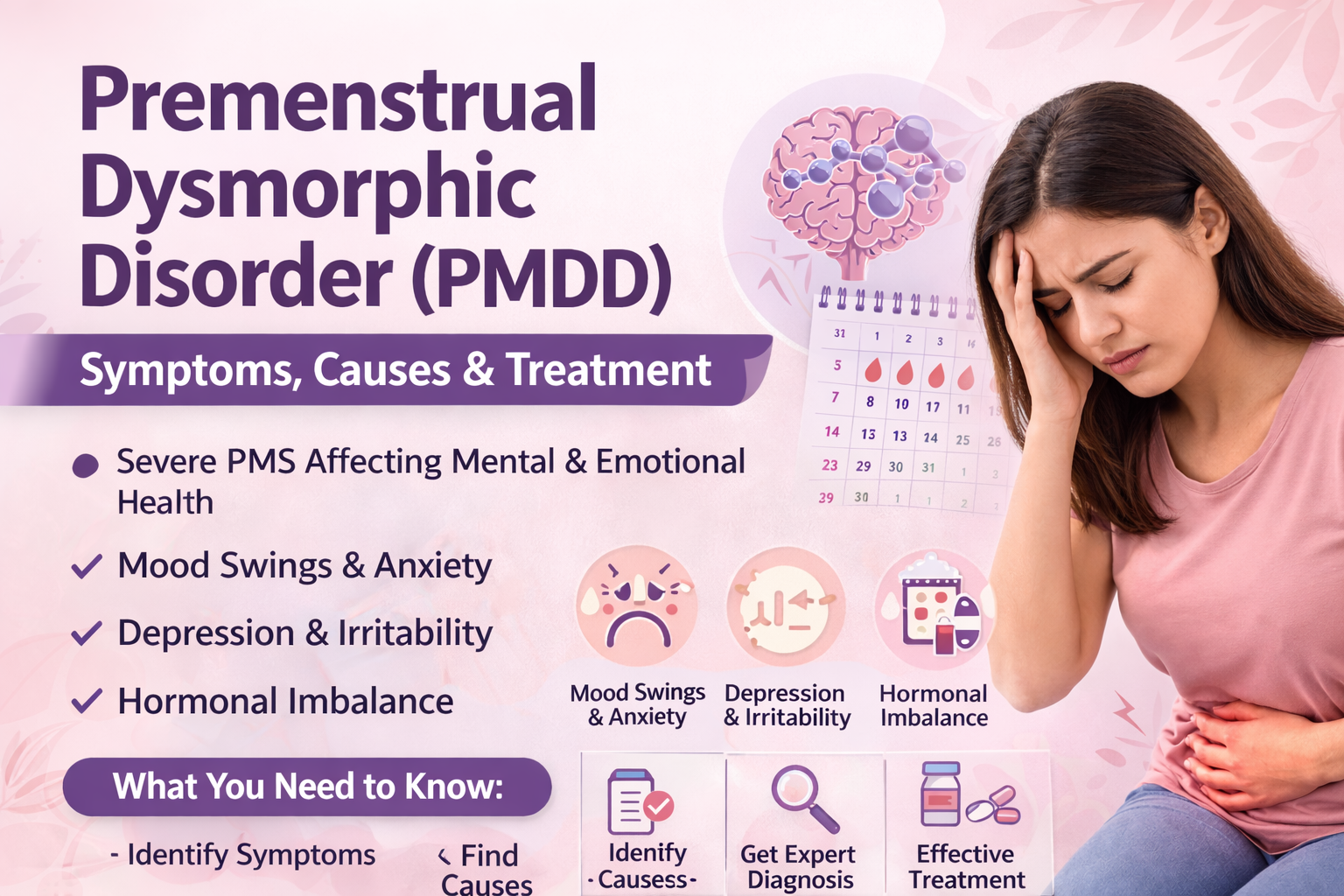
Premenstrual Dysmorphic Disorder (PMDD) is a severe and often misunderstood condition that affects women before their menstrual cycle. While many women experience mild symptoms known as PMS, PMDD goes beyond that—impacting emotional health, relationships, and daily life.
At Health Point Hospital Jaipur, we provide expert care to diagnose and manage PMDD with a personalized treatment approach.
What is PMDD?
PMDD is a serious hormone-related mood disorder that occurs during the luteal phase (1–2 weeks before menstruation). Symptoms usually improve once the period begins.
Unlike PMS, PMDD symptoms are intense and can significantly interfere with normal daily functioning.
Causes of PMDD
The exact cause of PMDD is not fully known, but several factors contribute:
Hormonal fluctuations – Changes in estrogen and progesterone levels
Serotonin imbalance – Affects mood regulation
Genetic predisposition – Family history of mood disorders
Stress & lifestyle factors – Poor sleep, unhealthy diet, and stress
Symptoms of PMDD
PMDD symptoms are both emotional and physical:
Emotional Symptoms
Severe mood swings
Depression or feelings of hopelessness
Anxiety or panic attacks
Irritability or anger
Difficulty concentrating
Physical Symptoms
Fatigue
Bloating
Breast tenderness
Headaches
Sleep disturbances
These symptoms typically appear before menstruation and improve after it starts.
PMDD vs PMS: Key Difference
Premenstrual Syndrome (PMS) and Premenstrual Dysmorphic Disorder (PMDD) may seem similar, but they differ significantly in severity and impact.
PMS symptoms are usually mild to moderate and manageable, causing some discomfort but not seriously affecting daily life. In contrast, PMDD is severe and can be overwhelming, often disrupting emotional stability and overall well-being.
In terms of emotional impact, PMS may cause slight mood changes, while PMDD leads to intense emotional symptoms such as depression, anxiety, irritability, and mood swings that can interfere with relationships and work.
The effect on daily life is another major difference. PMS generally has a minimal impact, allowing women to continue their routine activities. However, PMDD can significantly disrupt daily functioning, making it difficult to concentrate, work, or maintain social interactions.
When it comes to medical care, PMS rarely requires professional treatment and can often be managed with lifestyle changes. On the other hand, PMDD often requires medical attention, including medications, therapy, and proper diagnosis.
Diagnosis
At Health Point Hospital Jaipur, diagnosis includes:
Tracking symptoms over 2–3 menstrual cycles
Medical and psychological evaluation
Ruling out conditions like depression or thyroid disorders
Accurate diagnosis is essential for effective treatment.
Treatment Options
1. Medications
Antidepressants (SSRIs)
Hormonal therapy (birth control pills)
Anti-anxiety medications
2. Lifestyle Changes
Regular exercise
Balanced diet
Proper sleep
Stress management (yoga, meditation)
3. Therapy & Counseling
Cognitive Behavioral Therapy (CBT) helps manage emotional symptoms effectively.
4. Nutritional Support
Calcium and Vitamin B6
Reduced caffeine and sugar intake
When to See a Doctor
Consult a doctor if:
Symptoms affect your work or relationships
You experience severe mood changes every month
You feel depressed or anxious before periods
Symptoms worsen over time
Why Choose Health Point Hospital Jaipur?
Experienced gynecologists
Holistic and personalized care
Advanced diagnostic facilities
Patient-focused approach
Conclusion
Premenstrual Dysmorphic Disorder (PMDD) is a serious but treatable condition. With the right medical support and lifestyle changes, symptoms can be effectively managed.
If you are experiencing severe premenstrual symptoms, seek expert care at Health Point Hospital Jaipur.