Root Canal Treatment (RCT): A Complete Guide to Saving Your Natural Tooth Introduction
A healthy smile plays an important role in your overall health and confidence. However, when tooth decay or infection reaches the inner part of a tooth, it can cause severe pain and discomfort. In such cases, Root Canal Treatment (RCT) is often recommended to save the natural tooth and prevent further complications.
Root Canal Treatment is one of the most common and effective dental procedures performed to treat infected or damaged teeth. Modern dental techniques have made the procedure safe, comfortable, and highly successful.
What is Root Canal Treatment?
Inside every tooth is a soft tissue called the pulp, which contains nerves, blood vessels, and connective tissues. When this pulp becomes infected due to deep decay, cracks, injury, or repeated dental procedures, it can lead to severe pain and infection RCT Treatment
Root Canal Treatment involves removing the infected pulp, cleaning and disinfecting the root canals, and sealing the tooth to prevent future infection. The procedure helps preserve the natural tooth rather than removing it.
Why is Root Canal Treatment Necessary?
If an infected tooth is left untreated, the infection can spread to surrounding tissues and may lead to:
Severe toothache
Swelling in the gums
Dental abscess formation
Bone loss around the tooth
Difficulty chewing food
Tooth loss
Root Canal Treatment helps eliminate the infection while preserving the tooth’s structure and function.
Common Signs You May Need a Root Canal
Several symptoms may indicate that the pulp inside your tooth has become infected:
Persistent Tooth Pain
One of the most common signs is continuous or recurring pain that does not go away.
Sensitivity to Hot and Cold
Lingering sensitivity after consuming hot coffee, tea, ice cream, or cold drinks can indicate nerve damage.
Swollen or Tender Gums
Inflammation around a tooth may be a sign of infection.
Tooth Discoloration
A tooth that appears darker than surrounding teeth may have internal damage.
Pain While Chewing
Discomfort when biting or chewing can occur when infection affects the tooth roots.
Pimple-Like Bump on the Gums
A small bump near the affected tooth may indicate a dental abscess.
Causes of Tooth Pulp Infection
Several factors can lead to pulp infection, including:
Deep cavities and untreated tooth decay
Cracked or fractured teeth
Dental trauma or injury
Repeated dental treatments on the same tooth
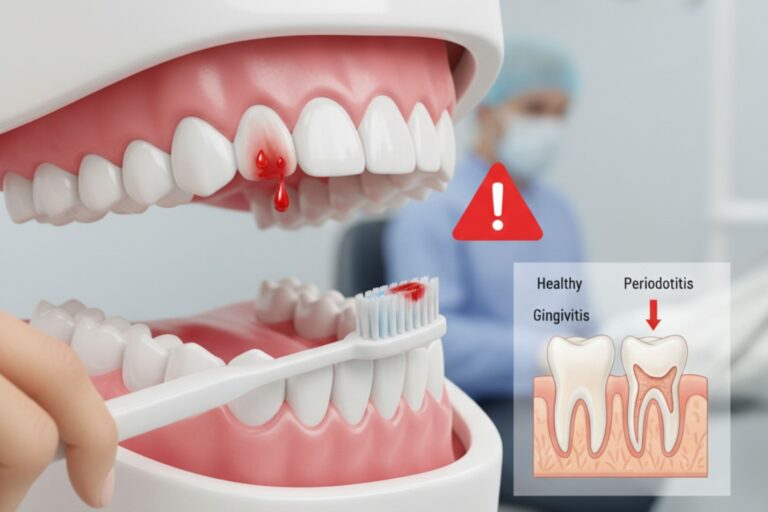
Severe gum disease
Untreated dental infections
Maintaining good oral hygiene and regular dental check-ups can significantly reduce these risks.
The Root Canal Treatment Procedure
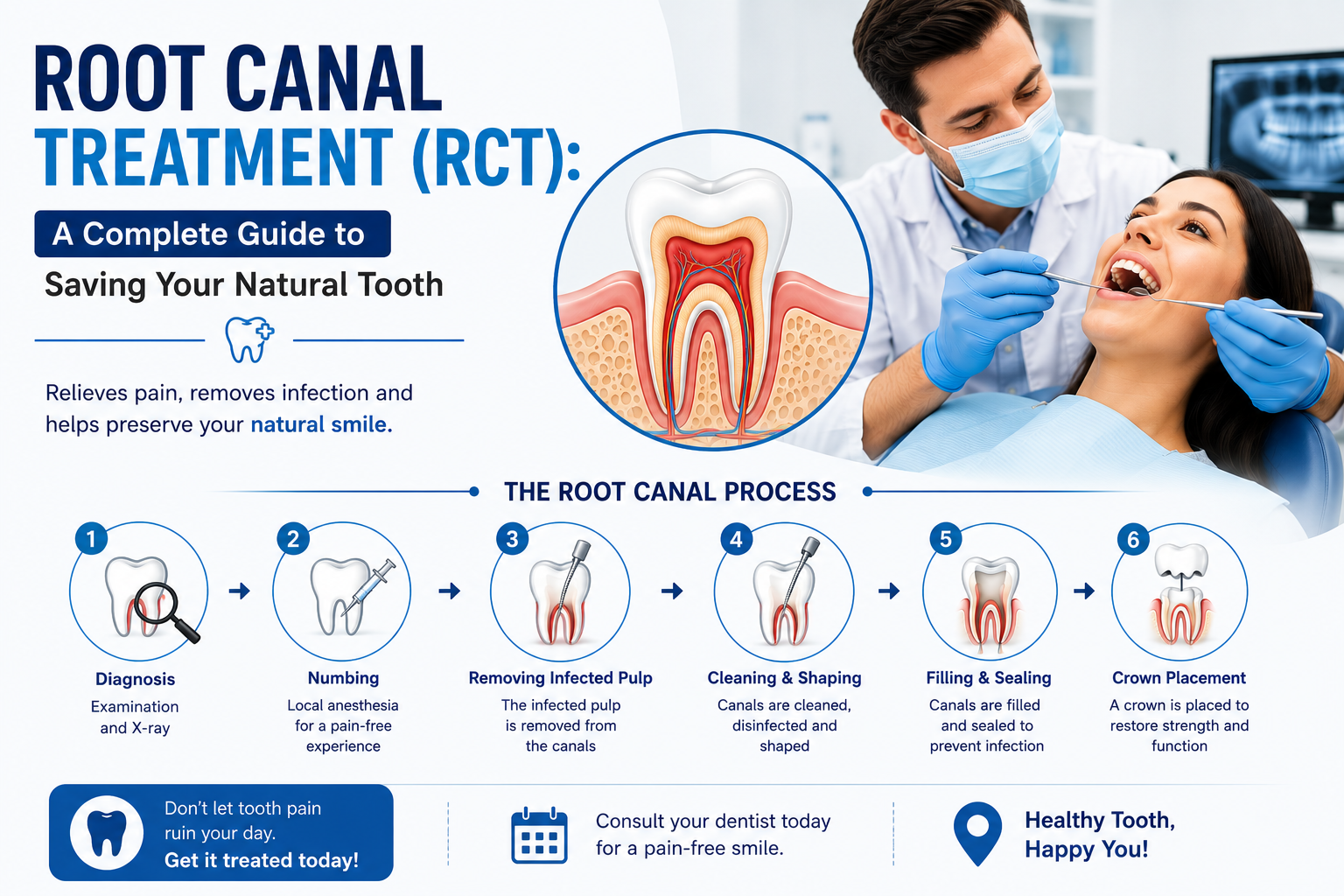
Step 1: Diagnosis and Examination
The dentist examines the affected tooth and may take dental X-rays to determine the extent of infection.
Step 2: Local Anesthesia
The area around the tooth is numbed using local anesthesia to ensure a comfortable experience.
Step 3: Removal of Infected Pulp
A small opening is made in the tooth, and the infected pulp tissue is carefully removed.
Step 4: Cleaning and Shaping the Canals
The root canals are thoroughly cleaned, disinfected, and shaped for filling.
Step 5: Filling and Sealing
The cleaned canals are filled with a biocompatible material and sealed to prevent reinfection.
Step 6: Crown Placement
In many cases, a dental crown is placed over the treated tooth to restore its strength, appearance, and function.
Benefits of Root Canal Treatment
Root Canal Treatment offers several advantages:
Preserves the natural tooth
Relieves pain and discomfort
Removes infection effectively
Restores normal chewing ability
Prevents infection from spreading
Improves oral health
Maintains natural smile aesthetics
Saving a natural tooth is generally considered the best long-term solution whenever possible.
Is Root Canal Treatment Painful?
Many people believe that root canal treatment is painful, but modern dental techniques and anesthesia have made the procedure much more comfortable. Most patients report that the treatment feels similar to getting a routine dental filling.
The purpose of the procedure is actually to eliminate pain caused by infection.
Recovery After Root Canal Treatment
Recovery is usually quick and uncomplicated. Some patients may experience mild sensitivity or discomfort for a few days.
Tips for Faster Recovery:
Avoid chewing on the treated tooth until advised by your dentist
Maintain proper oral hygiene
Brush and floss regularly
Take medications as prescribed
Avoid hard and sticky foods temporarily
Attend follow-up appointments
Most patients return to normal activities within 24 hours.
How to Prevent Future Dental Infections
Good oral hygiene can help protect your teeth from future infections:
Brush twice daily
Floss every day
Limit sugary foods and beverages
Visit your dentist regularly
Address cavities promptly
Wear a mouthguard during sports if necessary
Preventive care is the best way to maintain healthy teeth and gums.
Conclusion
Root Canal Treatment is a safe and effective procedure designed to save infected or damaged teeth while relieving pain and restoring oral health. Early diagnosis and treatment can prevent complications and help preserve your natural smile for years to come.
If you are experiencing tooth pain, sensitivity, or signs of infection, consult a qualified dental professional for a proper evaluation and treatment plan.