Soft Tissue Masses: Diagnosis and Management
Introduction
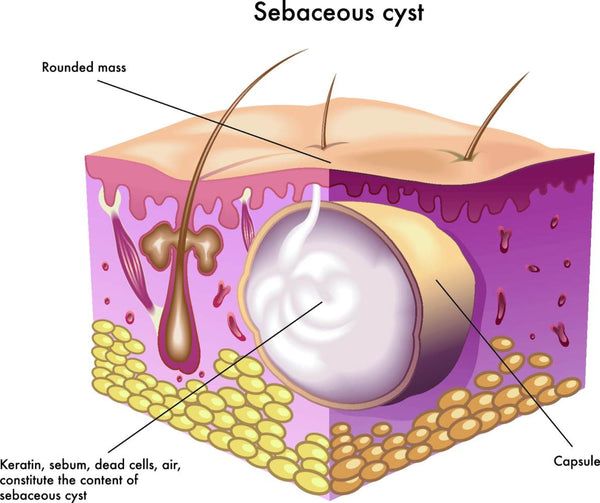
Soft tissue masses are abnormal growths that develop in the body’s soft tissues, including muscles, fat, blood vessels, nerves, and connective tissues. While many of these masses are benign (non-cancerous), some may require careful evaluation to rule out serious conditions.
At Health Point Hospital Jaipur, we provide advanced diagnostic and treatment solutions for accurate identification and effective management of soft tissue masses.
What are Soft Tissue Masses?
Soft tissue masses refer to lumps or swelling that can appear anywhere in the body. These may develop gradually or suddenly and can vary in size, texture, and symptoms.
They are commonly found in areas such as:
- Arms and legs
- Back or abdomen
- Neck or shoulders
Types of Soft Tissue Masses
1. Benign Masses
These are non-cancerous and usually harmless:
- Lipoma (fatty lump)
- Fibroma
- Hemangioma
2. Malignant Masses
These are cancerous and require immediate medical attention:
- Soft tissue sarcoma
Causes of Soft Tissue Masses
Soft tissue masses can occur due to:
- Injury or trauma
- Infections
- Genetic conditions
- Abnormal cell growth
- Unknown causes in some cases
Symptoms to Watch For
- A visible or palpable lump
- Pain or tenderness
- Rapid increase in size
- Restricted movement
- Skin changes over the lump
If any of these symptoms are present, medical evaluation is essential.
Diagnosis of Soft Tissue Masses
At Health Point Hospital Jaipur, diagnosis involves a systematic approach:
1. Physical Examination
Doctors assess size, location, and texture of the mass.
2. Imaging Tests
- Ultrasound
- MRI (Magnetic Resonance Imaging)
- CT Scan
3. Biopsy
A sample of the tissue is examined to determine whether the mass is benign or malignant.
Early and accurate diagnosis is key to effective treatment.
Management and Treatment Options
1. Observation
Small, harmless masses may only require monitoring.
2. Medications
Used in cases involving inflammation or infection.
3. Surgical Removal
- Most common treatment
- Recommended if the mass is large, painful, or suspicious
4. Advanced Treatments
- Chemotherapy or radiation therapy (for malignant cases)
When Should You See a Doctor?
You should consult a doctor if:
- The lump is growing rapidly
- It is painful or causing discomfort
- You notice changes in size or shape
- It does not go away over time
Early medical consultation can prevent complications.
Why Choose Health Point Hospital Jaipur?
- Experienced specialists
- Advanced diagnostic facilities
- Personalized treatment plans
- Comprehensive patient care
Conclusion
Soft tissue masses are common, but proper diagnosis is essential to determine their nature and ensure timely treatment. Most cases are benign, but early detection of serious conditions can be life-saving.
If you notice any unusual lump or swelling, seek expert care at Health Point Hospital Jaipur.